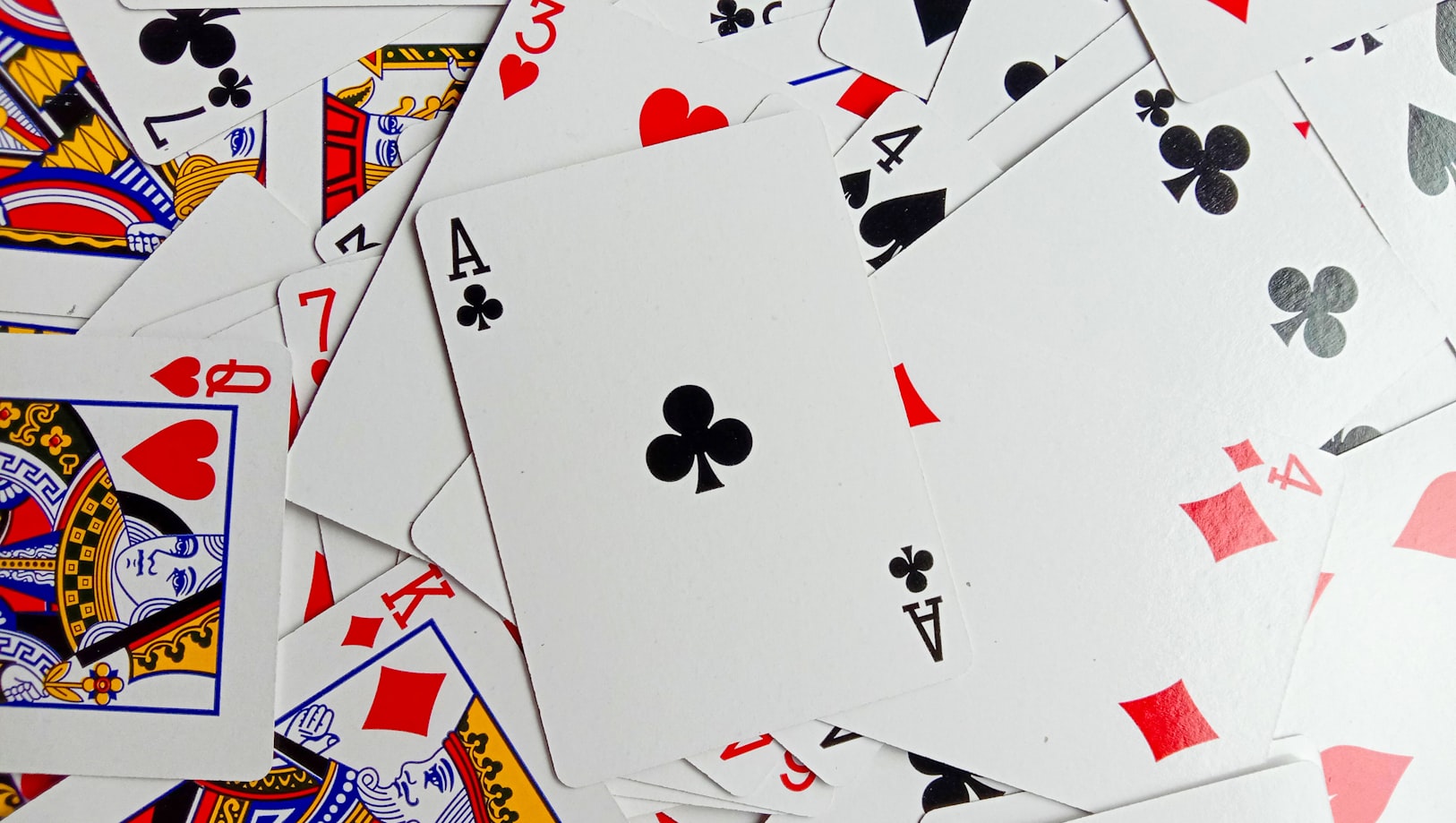
Understanding the psychological triggers behind gambling behavior in casinos
The psychological appeal of gambling in casinos is deeply rooted in the concept of risk and reward. Players often experience a heightened sense of excitement when placing bets, driven by the anticipation of winning, especially when engaging with gambling websites. This thrill is magnified by the potential for large payouts, which can create an addictive cycle. The promise of a significant reward often overshadows the reality of losing, making it challenging for individuals to walk away.

Moreover, the brain’s reward system plays a crucial role in reinforcing gambling behavior. When a player wins, the brain releases dopamine, creating feelings of pleasure and satisfaction. This biochemical response can lead to repeated gambling as individuals chase that euphoric sensation, sometimes ignoring the financial consequences.
Casinos are meticulously designed to maximize player engagement. The layout, lighting, and sound all work together to create an immersive experience that keeps gamblers on the floor longer. Bright lights, cheerful sounds, and even the scent of freshly brewed coffee are strategically employed to stimulate the senses and enhance the overall atmosphere.
Additionally, the lack of clocks and windows in many casinos contributes to a distorted sense of time, making it easier for players to lose track of their gambling sessions. This environment encourages prolonged play, making it harder for individuals to recognize when it might be time to leave, further entrenching the gambling behavior.
Cognitive biases significantly influence gambling behavior, often leading individuals to make irrational decisions. One prevalent bias is the illusion of control, where players believe they can influence the outcome of a game through skill or strategy. This belief can drive them to gamble more, even in games that are purely chance-based.
Another common bias is the gambler’s fallacy, the misconception that past outcomes affect future results. For example, a player might think that if a slot machine hasn’t paid out recently, it is “due” for a win. These biases can skew a player’s judgment, making it difficult to approach gambling rationally.
Social dynamics play a vital role in shaping gambling behavior. Many individuals engage in gambling as a social activity, enjoying the camaraderie and shared excitement with friends or family. This social element can amplify the thrill of gambling, making it more appealing and potentially more dangerous.
Additionally, the normalization of gambling in certain circles can create pressure to participate. When gambling is perceived as a common pastime, individuals may feel compelled to join in, sometimes disregarding personal limits or financial constraints. The influence of peers can thus lead to increased gambling frequency and riskier behavior.
This website aims to be a comprehensive resource for understanding the gambling industry, focusing on the various psychological triggers that influence behavior in casinos. Through informative articles and insights, we strive to educate readers on the complexities of gambling, highlighting both its allure and risks.
While access may be temporarily restricted due to security measures, our commitment to providing valuable information remains strong. We aim to offer a secure environment where users can explore the intricacies of gambling behavior and stay informed about the latest developments in the industry.